
The 2026 Presidents Institute took place in January in Orlando, FL. This year’s theme was A Deeper Purpose, and participants explored strategies that empower campuses to fulfill their missions and remain resolute in serving the common good. Plenary panels explored the future of the academic social contract, campus cultures of resilience, identity and pluralism in the current landscape of higher education, and the federal policy agenda. Concurrent, discussion, and interactive sessions—whose content is overwhelmingly derived from presidential proposals and feedback—provided peer wisdom on board relations, finances, partnerships and mergers, accreditation, artificial intelligence, legal and political issues, and media relations.
Highlights and Fast Facts
- Total Attendees: 709
- States Represented: 46
- Countries Represented: 4
- Most Popular Sessions (According to Guidebook)
Plenary Sessions
To navigate today’s intense scrutiny and political pressure, campus leaders must first understand the historical “contract” that is currently being renegotiated in real-time. In the keynote, “The Academic Social Contract,” Stanford University’s Emily J. Levine and Mitchell L. Stevens provided essential context for this moment, outlining how the reciprocal relationship between society and higher education has shifted through three epochs: colonial startups in the pre-1900 era that advanced religion and “civilization;” early 20th-century citizenship cultivation and liberal arts ideals; and the post-World War II period, where universities became engines of national service, especially after the 1965 Higher Education Act. As many as 700 colleges were founded and failed before the Civil War, but throughout history, successful colleges have balanced their dual roles as sanctuaries of learning and active civic actors, existing both within and apart from the nation-state.
For presidents and leaders in higher education, understanding the evolution is critical to defending institutional autonomy while delivering the public benefits that society now demands from colleges and universities. Today, higher education faces a “fourth epoch,” a pivotal opportunity to renegotiate its social contract amid rapid technological change, demographic shifts, and political polarization. Modern colleges now function as hybrids of government, philanthropy, business, and private enterprise, uniquely positioned to foster civic action, resilience, and dialogue across differences. By leveraging their missions to serve specific populations and places, and by reclaiming the clarity of their expertise, institutions can help society navigate new challenges and redefine the meaning of citizenship in an era of uncertainty.
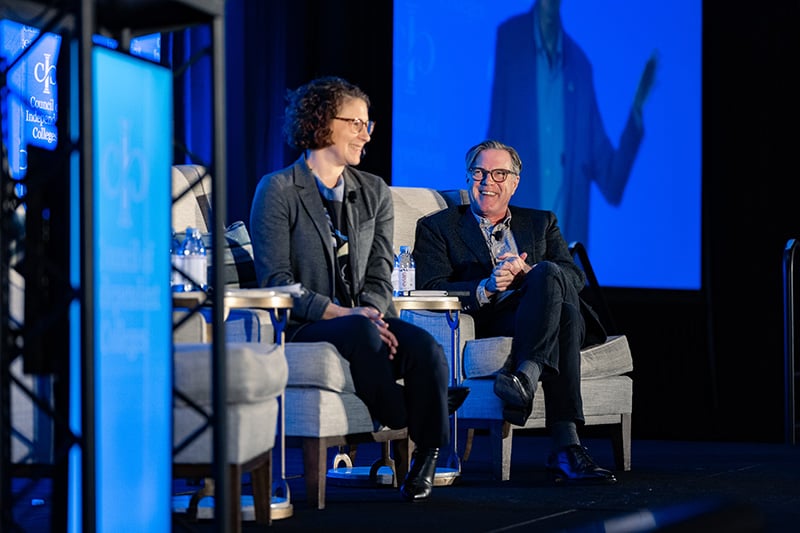
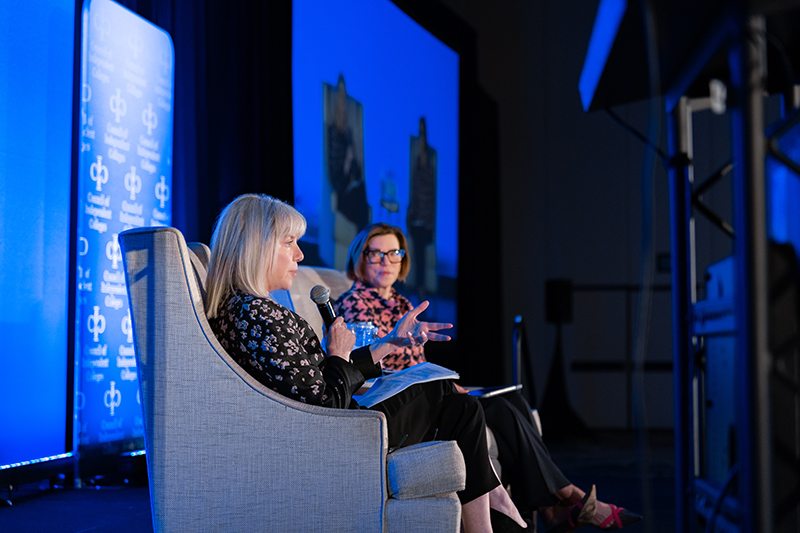
What does the science of happiness reveal about building resilience? The second plenary session, “Building a Resilient Campus Culture,” offered a research-backed roadmap for transforming campus stress into sustainable wellbeing. Kia Afcari, director of Greater Good Workplaces at the Greater Good Science Center, and Emiliana R. Simon-Thomas, science director of the Greater Good Science Center, argued that resilience is not the absence of stress, but the ability to balance life’s demands with available resources, using both personal practices and community rituals.
Healthy stress is a normal part of life, but when worry becomes persistent and recovery is neglected, it can turn into chronic distress and undermine resilience. Strengthening resilience involves both “up-regulating” the positive through levity, laughter, gratitude, hope, and optimism, and “down-regulating” the negative by practicing slow breathing, granular emotion labeling, psychological distancing, and self-compassion. Shifting from self-focus and isolation to a sense of shared humanity, and from pessimism to optimism, are key to this process.
On campus, leaders play a crucial role by modeling resilience-building behaviors in their communications and decisions. Rituals such as “Appreciation Go-Arounds” in meetings, “Pre-Exam Centering” for students, and public celebrations of service help institutionalize resilience and foster a culture that values deep rest, higher purpose, and meaningful connections. These practices not only support individual wellbeing but also create a supportive, purpose-driven community equipped to thrive amid rapid change.
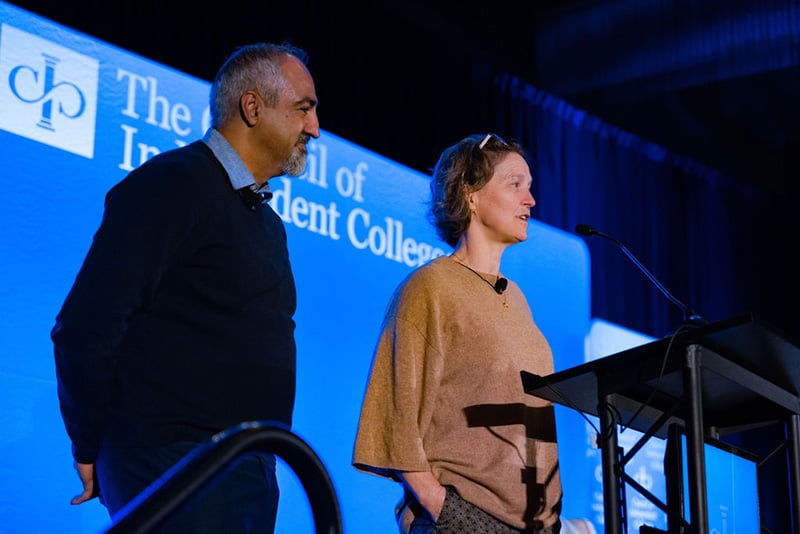
In a society with little margin for error, college leaders are now tasked with a high-stakes mission: teaching students how to disagree without drifting apart. In the third plenary session, “Identity, Pluralism, and the Current Landscape of Higher Education,” Eboo Patel, founder and president of Interfaith America, and Grant Cornwell, president emeritus of Rollins College (FL), discussed how higher education leaders can cultivate campuses that serve as arenas for pluralism. By helping students navigate America’s “diversity project,” including historical injustices and diverse identities, colleges provide the essential tools for democracy to function in an era of intense polarization.
As the nation approaches its 250th anniversary, there is a unique opportunity to recommit to this mission. College leaders may draw on the growing field of civil discourse to ensure that students, faculty, and staff are equipped to foster constructive dialogue and navigate disagreements. By prioritizing diversity work and empowering their communities, colleges and universities can help sustain America’s pluralistic foundation and prepare the next generation to thrive in a diverse society.
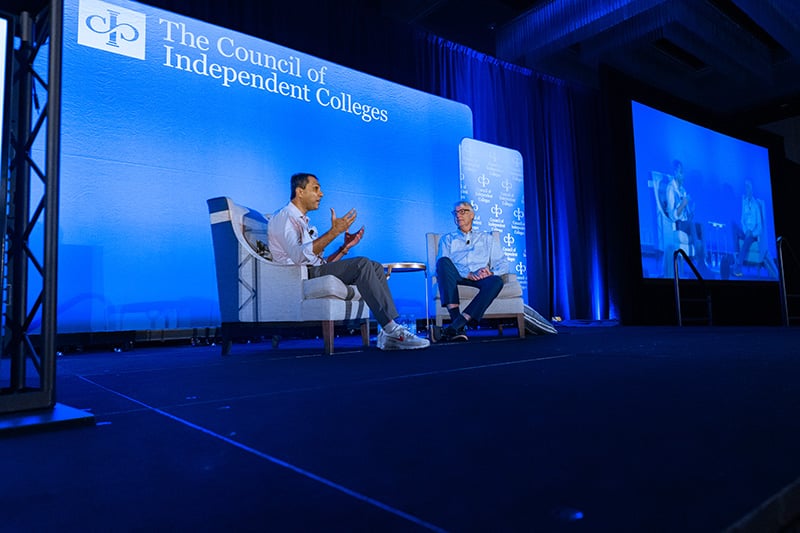
There were three major policy changes that college leaders should be aware of that were discussed during the closing plenary session, “The Policy Agenda for Independent Higher Education.” Marjorie Hass, president of CIC, and Barbara K. Mistick, president of the National Association of Independent Colleges and Universities (NAICU) spoke about the passage of the “One Big Beautiful Bill” (OB3) on July 4, 2025, which fundamentally altered the relationship between independent colleges and the federal government, especially regarding student aid. With over $38.5 billion in federal student aid at stake, colleges must recognize that Congress is effectively their largest donor, making unified sector messaging more critical than ever. OB3 introduced major changes, including the termination of Grad PLUS loans for new students starting July 1, 2026, new loan caps for graduate programs, a reformed endowment tax, and the launch of a workforce Pell program with new accountability measures. These shifts require colleges to proactively remind Congress of their campus impacts.
Beyond financial aid, there are more hurdles ahead for international students. Colleges are also navigating an increasingly complex regulatory environment, with executive orders affecting immigration and travel and leading to declines in international student enrollment. Changes to visa requirements, duration of stay, and Optional Practical Training are creating additional uncertainty. As news events continue to spotlight higher education, it is vital for institutions to stay aligned and vocal, ensuring their representation and mission remain strong in the face of ongoing legislative and political changes.
Concurrent Sessions and Interactive Sessions
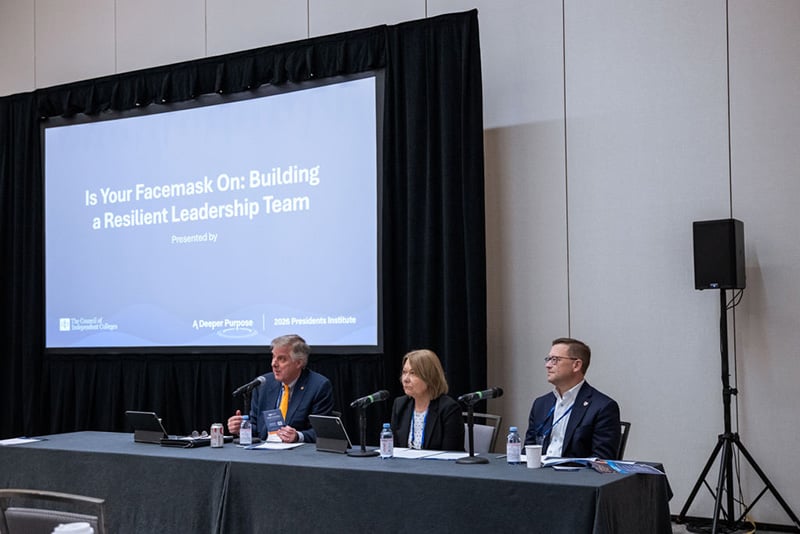
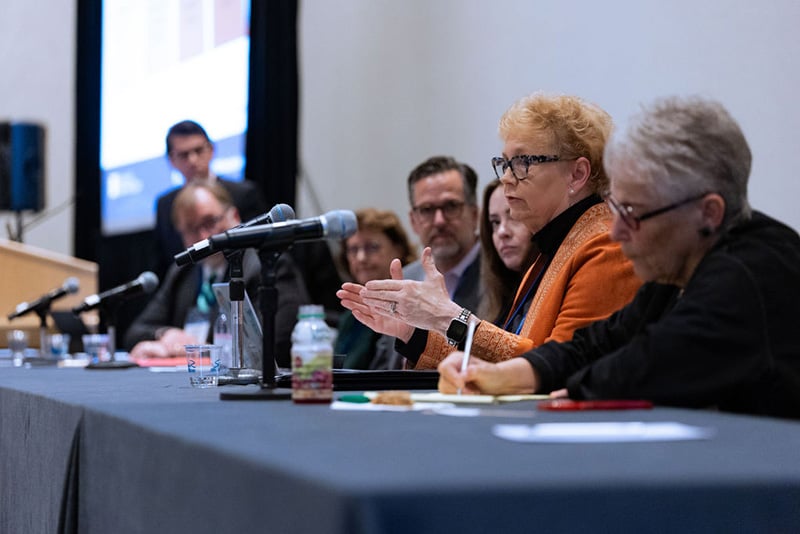
The Presidents Institute offered many engaging concurrent sessions, including “Is Your Facemask On: Building a Resilient Leadership Team,” “Strategies for Spreading Joy on Campus,” “Assessing and Strengthening Governance,” “Securing Your Financial Future,” “Offense and Defense in Washington, DC,” and “Trust Building During Times of Institutional Change.”
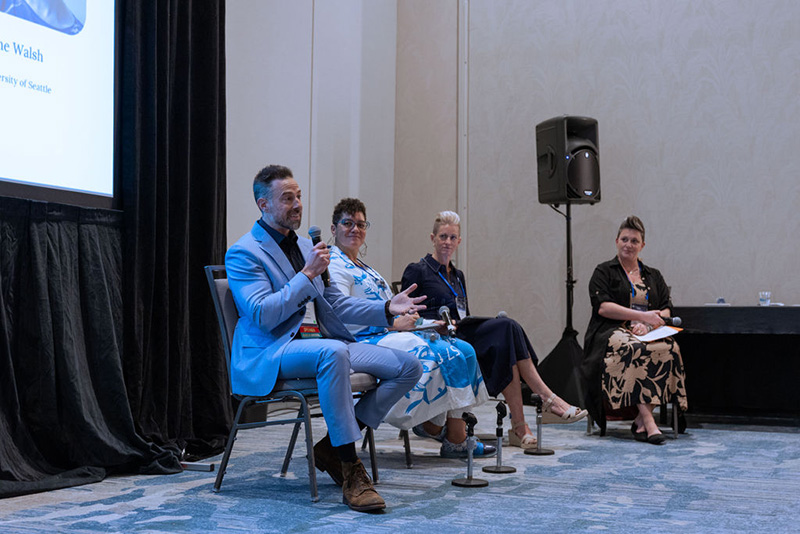
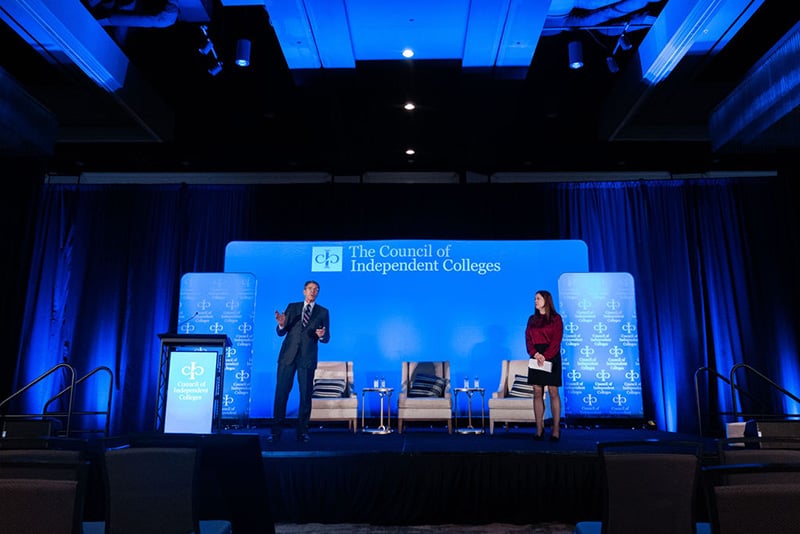
Based on participant feedback from past years, CIC offered interactive sessions in a workshop format for the first time at the Presidents Institute this year, with topics such as “Accreditors as Partners,” “Building Boards and Board Relationships,” “Mission, Markets, and the Common Good: A Strategy Simulation for Institutional Leaders,” “Public Roles, Private Lives,” “Strategic Combinations and Partnerships,” and “Realistic Financial Advice in Volatile Times.”
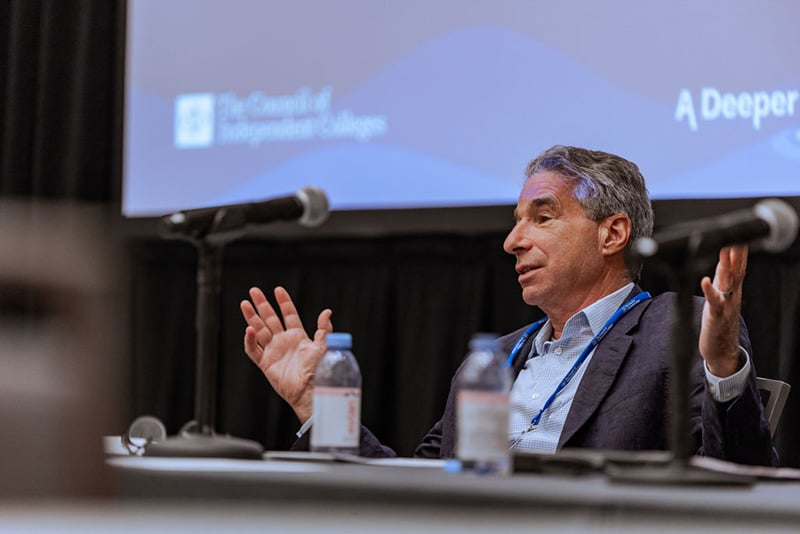
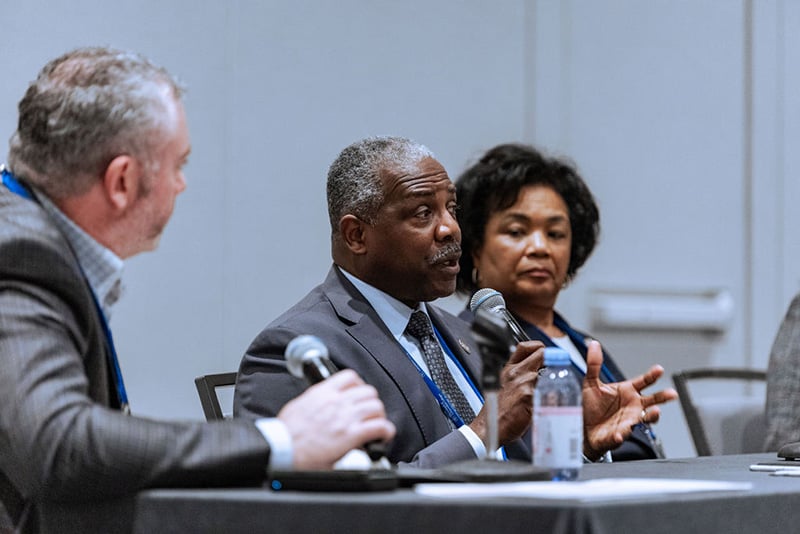
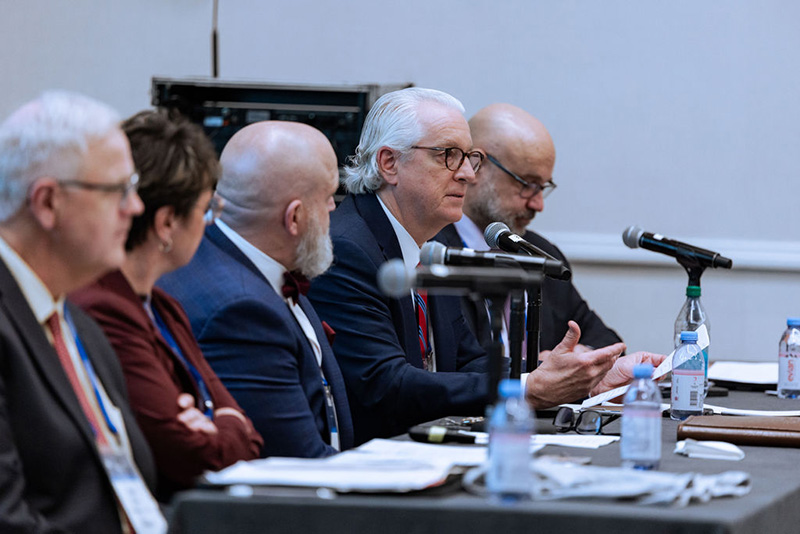
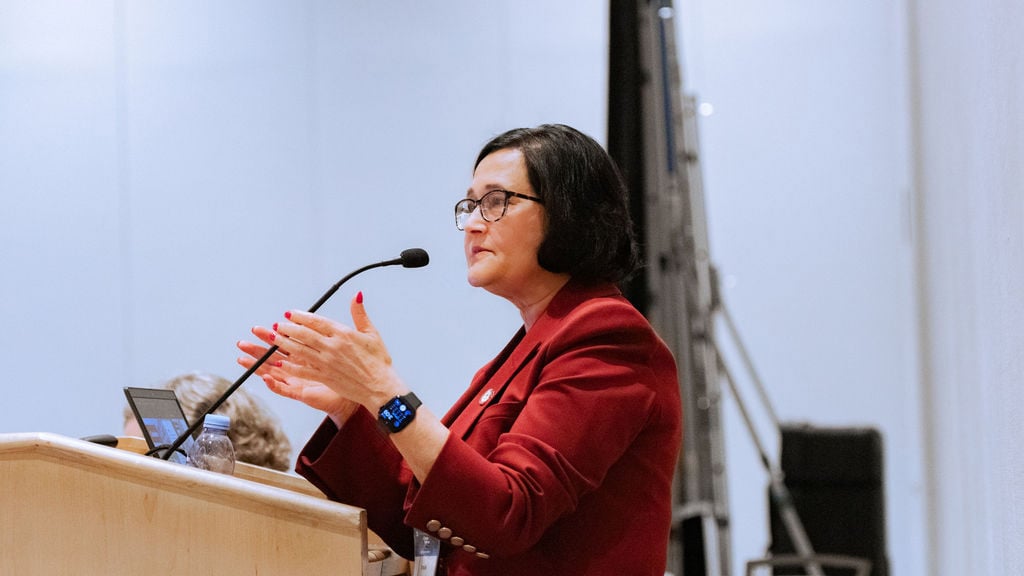
Other Featured Sessions and Highlights
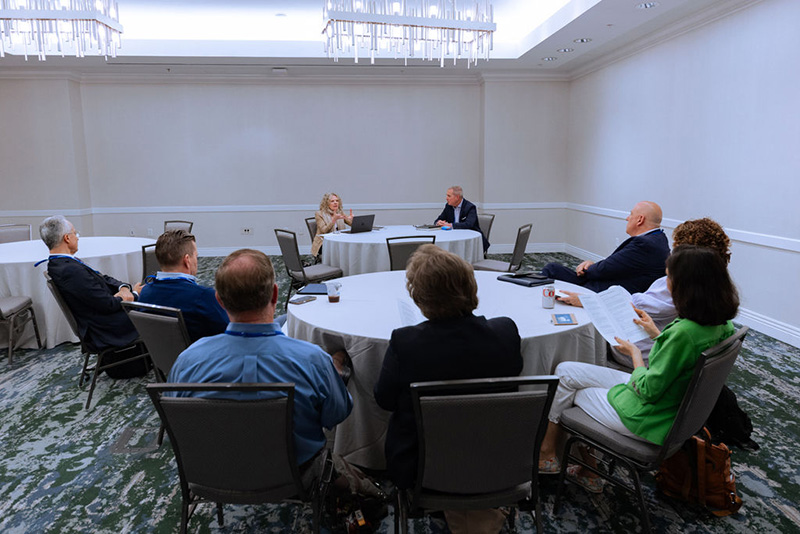
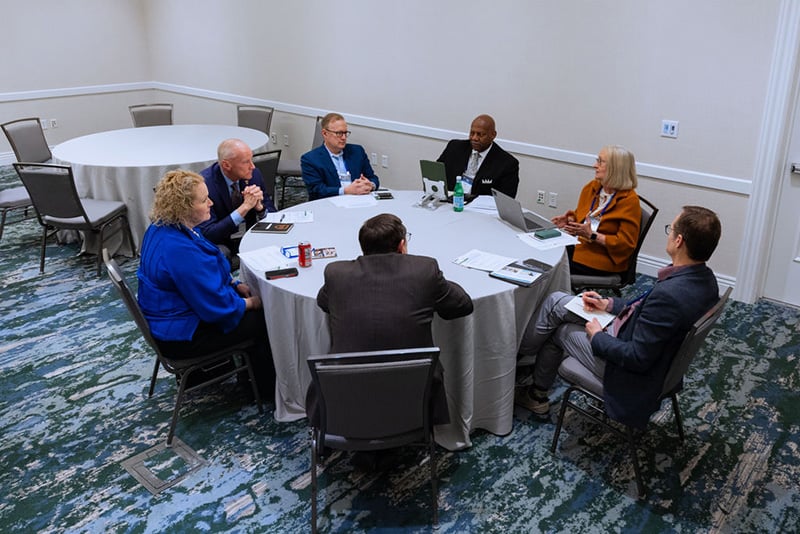
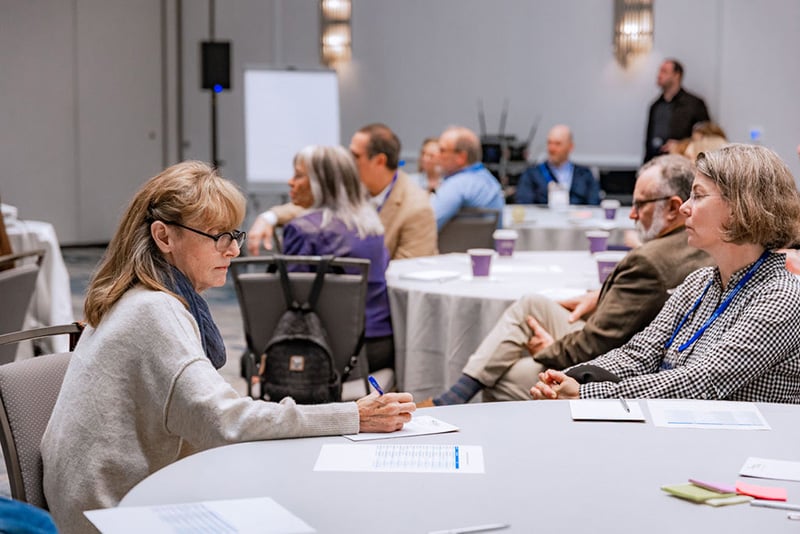
Discussion sessions facilitated the building of trusted peer support groups to discuss the most pressing and difficult issues facing independent higher education, such as financial sustainability, perceptions of higher education’s value, accreditation, mergers and partnerships, and technology and AI. The topics were based on PI registrant feedback.
Before the Institute kicked off, the energy was already building with the enthusiasm of 49 new presidents, along with a number of their spouses, who arrived early to participate in the New Presidents Program and the concurrent Spouses and Partners of New Presidents Program.
Participants of the Presidential Renewal Program, a program designed to support the personal revitalization of experienced presidents, also met before the Institute for the Winter Seminar. Immediately following the Institute, registrants had opportunities to participate in a workshop on financial challenges and strategies for cost-cutting and revenue growth. These programs and gatherings provided additional opportunities for coaching, mentoring, inspiration, and support on issues specific to these roles.
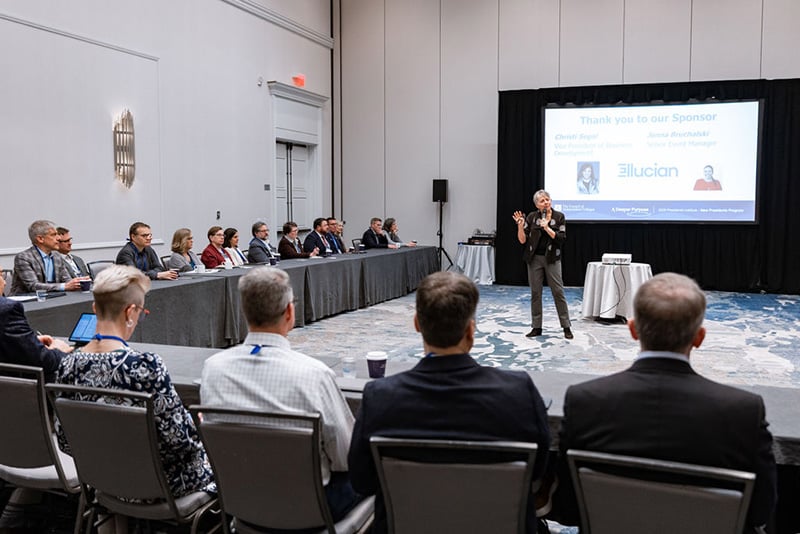
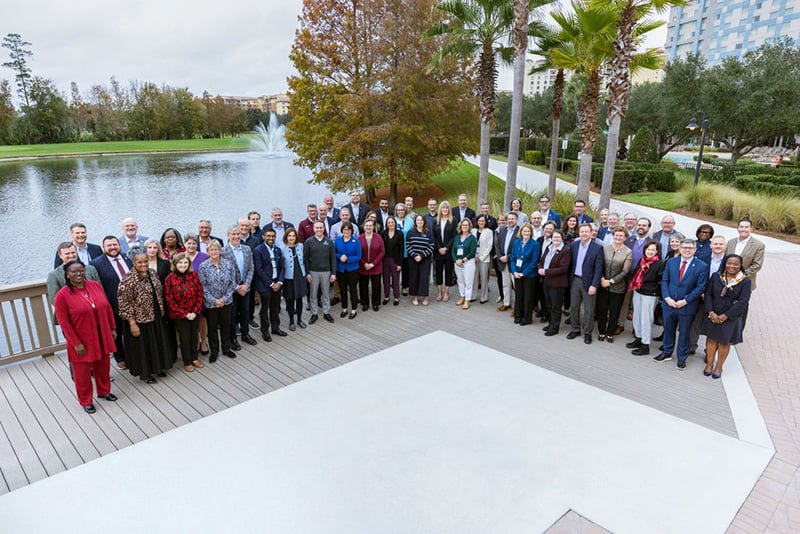
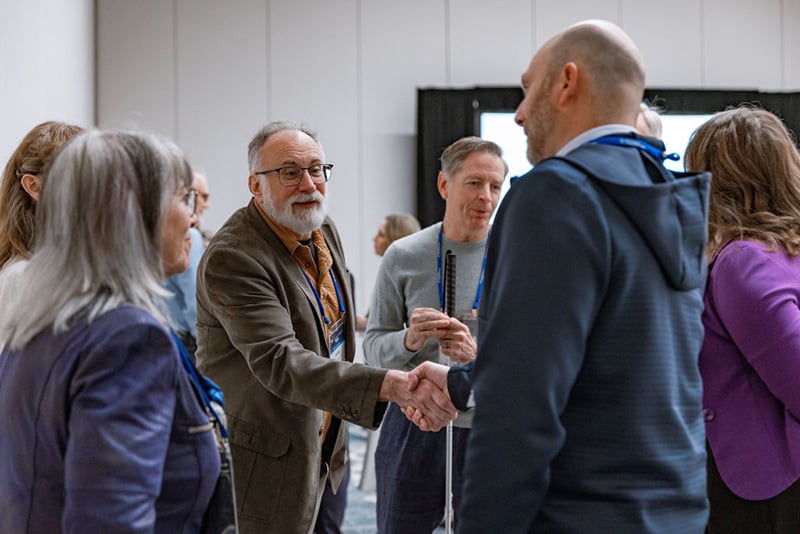
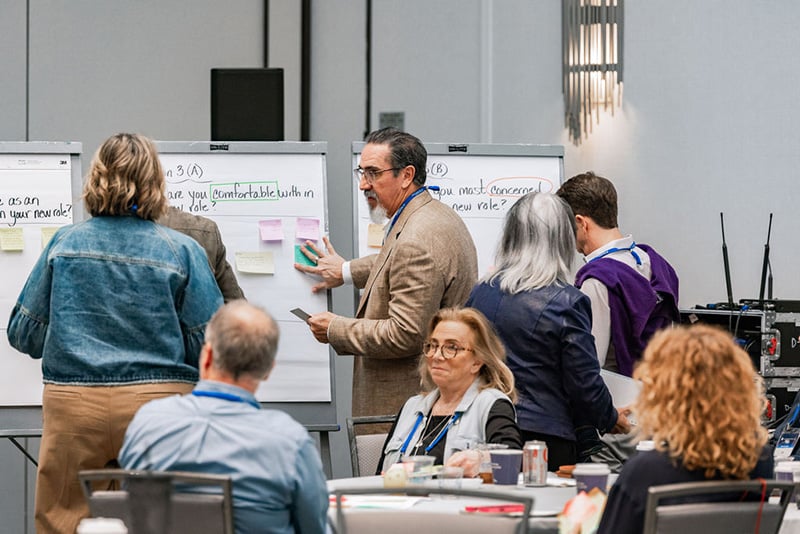
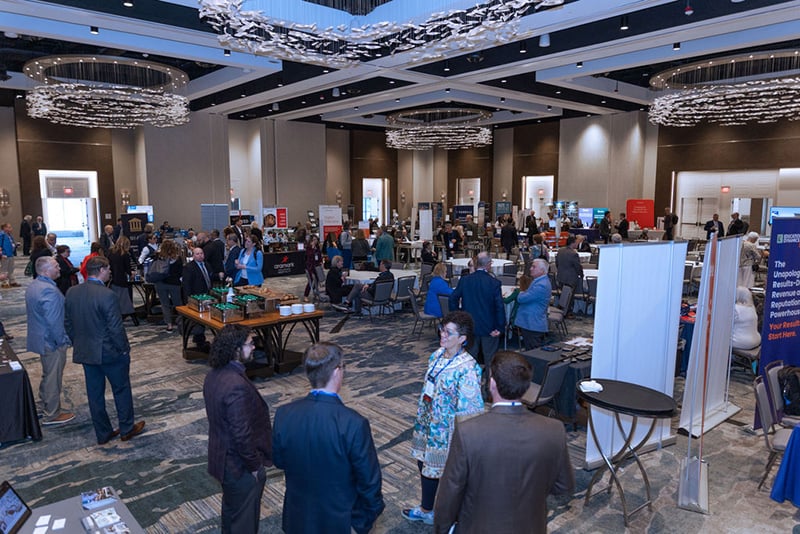
The 2026 Presidents Institute had 75 sponsors, including 16 new sponsors. Thank you to all of our sponsors for their generous support of this year’s Institute.
2026 Presidents Institute Award Recipients
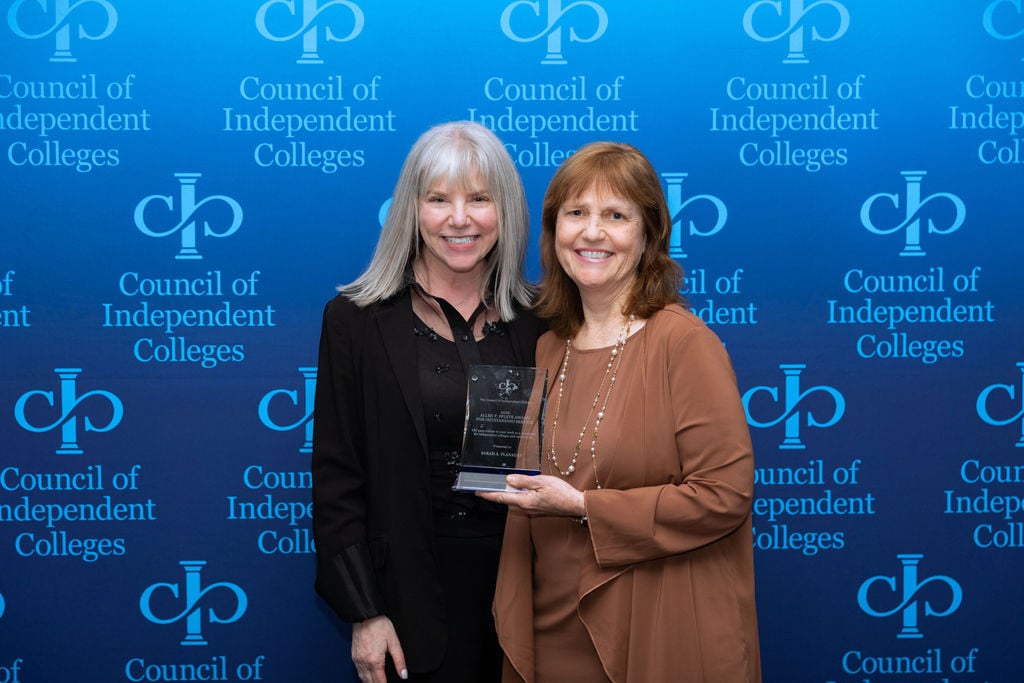
2026 Allen P. Splete Award for Outstanding Service
Sarah A. Flanagan, who served as the National Association of Independent Colleges and Universities (NAICU)’s vice president for government relations and policy development from 1994 to 2025, was the recipient of the 2026 Allen P. Splete Award for Outstanding Service. She was recognized for leading efforts to advance bipartisan support for federal student aid, college tax incentives, and regulatory policy. Prior to NAICU, she held senior staff roles on key Senate subcommittees focused on higher education and family policy.
2026 Award for Philanthropy (Organization)
The 2026 Award for Philanthropy (Organization) was presented to the J.E. and L.E. Mabee Foundation. Founded in 1948 by John and Lottie Mabee, the Mabee Foundation has awarded over $1.6 billion to support higher education, healthcare, and social services through a distinctive “challenge grant” model that requires grantees to secure significant private funding and meet strict fundraising milestones before receiving foundation support.