



With podcast episodes released every few weeks, NetVUE’s podcast continues to provide new invitations into the discussion of vocational reflection with college students. Read below for brief descriptions of the latest episodes and find links to listen to each episode in full.
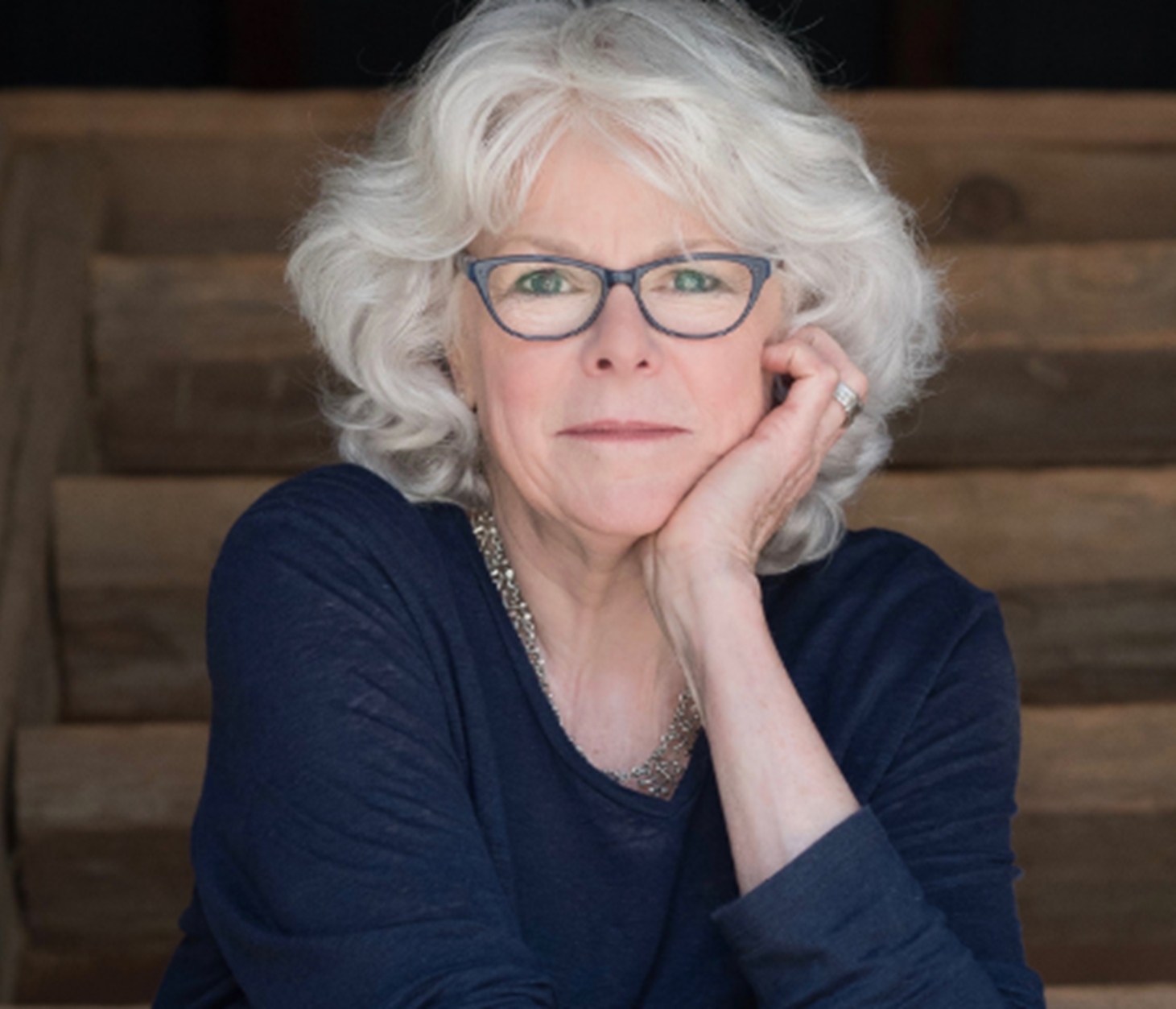
A Call to the Small | Barbara Brown Taylor
Released January 14, 2026
Barbara Brown Taylor has written award-winning books, received numerous accolades, and served as an Episcopal priest, teacher, and public theologian. And yet, in this conversation, she consistently circles back to the meaningfulness of what she refers to as “the small” – the local, the embodied, the immediately present. Barbara challenges us to listen to callings from within ourselves as well as from outside neighbors (including our non-human neighbors), to notice callings toward as well as away from certain actions or contexts, and to find vocational guidance even in missteps. In all this, she also shares her love for undergraduates and encourages vocational openness, flexibility, and attention.
Mentoring for Vocation | Maria LaMonaca Wisdom
Released December 16, 2025
Maria LaMonaca Wisdom is a leading voice on mentoring and coaching in higher education. Her recent book, How to Mentor Anyone in Academia, offers methods and approaches to understand the mentor role. In this conversation, she articulates the differences between mentoring, teaching, and coaching, and the ways these approaches coalesce in our work with students. In particular, mentoring helps us value growth in a relationship as we bring our “whole selves” to the role, and Maria encourages listeners to embrace revision and change as necessary in our career paths and vocational arcs. Mentors can help mentees realize their potential, asking important questions that illuminate their motivation, values, and goals.

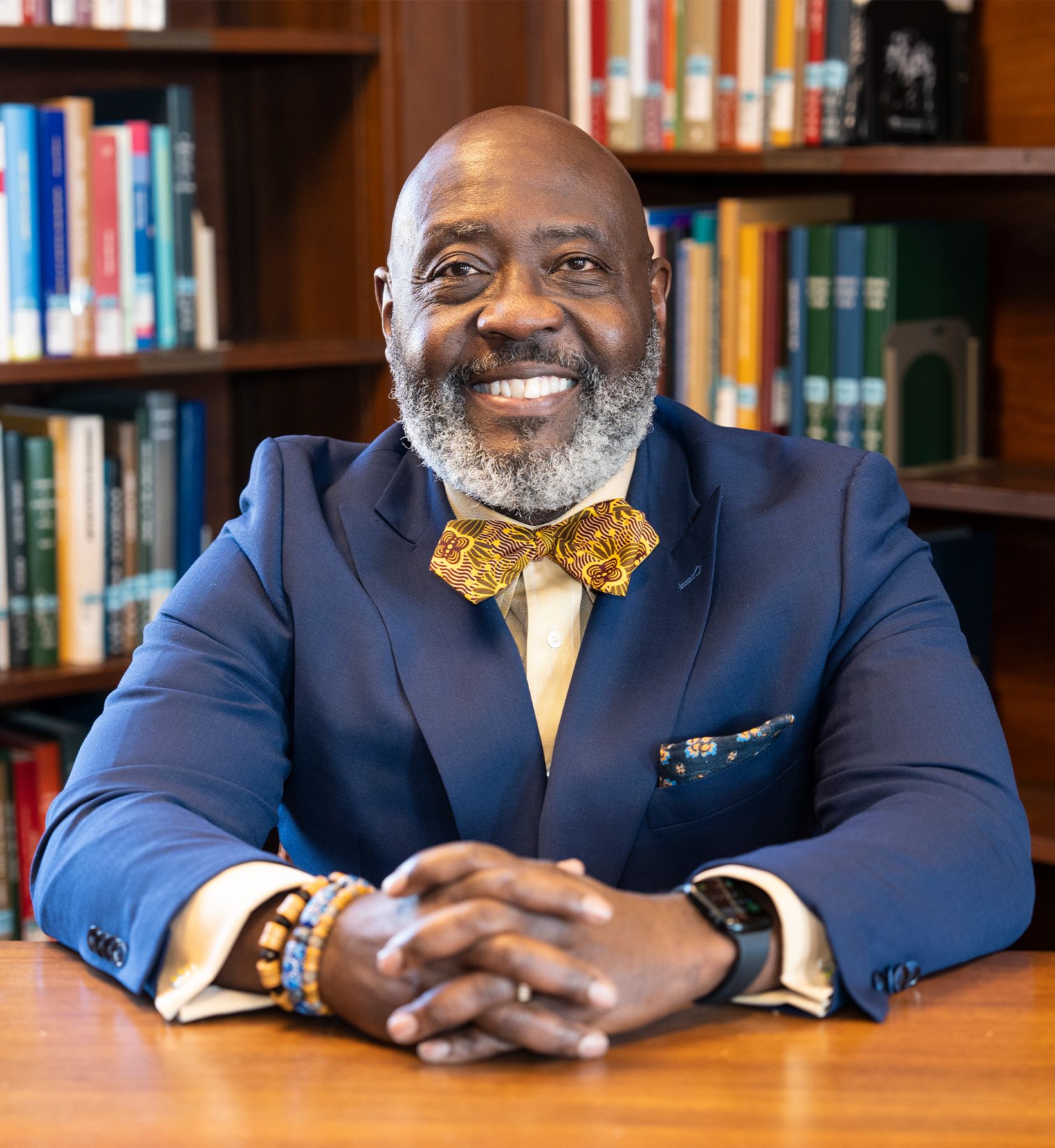
Attention and Contradiction | Willie James Jennings
Released November 12, 2025
Willie James Jennings believes that belonging is the goal of education and that we pursue this goal at the intersections of the world’s contradictions and our own social and moral sensibilities. Willie is a public theologian and professor of systematic theology and Africana studies at Yale Divinity School. In this conversation, he reflects on the influence of mentors and role models while also highlighting the racialized and unjust structures within Western educational systems. He encourages educators to listen to, to learn from, and above all to pay attention to their students as part of a shared vocational process. He also discusses his commitment to challenging antisemitism as well as to drawing attention to the plight of Palestinians.
NetVUE’s blog Vocation Matters provides an online space for colleagues from across the country and around the world to share the latest insights on vocational exploration. Read on for short summaries of recent posts.
Finding Your One True Thing: Discernment in a World of Career Noise | David Youland
Published December 22, 2025
In this post, David Youland acknowledges that students often face the challenge of balancing passion and practicality as they consider their careers. To help them find their path, he encourages us to help them situate their decisions about work in the context of much larger vocation discernment. Drawing on the cowboy wisdom of Curly from the film City Slickers, he believes we should build our paths on a meaningful foundation—that “one true thing”—and avoid the common pitfalls that he sees people often encounter as they start their careers.


Understanding the Student-Athlete Transition: Opportunities for Vocational Conversation | Angie Morenz
Published December 10, 2025
To begin her series of blog posts on vocation and student-athletes, Angie Morenz shares her own story of ending her student-athlete career when she started graduate school after playing three sports in college. Morenz explores the growing body of research on student-athlete’s loss of identity, structure, support, motivation, and connection. Read the full post to learn more about how conversations about vocation can be a critical resource during this challenging transition.
Creating a New Narrative for Theatre: Theatre as Vocation | Tara Brooke Watkins
Published December 4, 2025
Examining the role theater can have in the vocational exploration of students, Tara Brooke Watkins starts by naming the common assumption that majoring in theater is not a viable career option. Focusing on three common myths of theatrical professional life—all you can do is be part of productions, only a few “make it,” and you don’t make any money—Watkins not only illuminates these narratives as misconceptions but also demonstrates how the theatrical arts can propel a viable and purposeful career.


Breaking Free from the Iron Cage of Rationality | Michelle Oyakawa
Published November 25, 2025
In her series exploring how major sociological thinkers of the past can help us consider present vocational questions, Oyakawa’s third post turns her attention to Max Weber. Expanding on Weber’s four “ideal types” of social action, Oyakawa illustrates why many students prioritize the goal of financial stability rather than exploring their values when considering their career trajectories. Read the full post for Oyakawa’s reflections on potential implications as well as ways educators can help students approach career questions in different ways.

To report a technical problem with the website, or to offer suggestions for navigation and content issues, please contact Alex Stephenson, NetVUE communications coordinator, at astephenson@cic.edu.