



Since its inception in 2021, the NetVUE Big Read has provided support to member institutions as they form reading groups around various books on vocation. Institutions that did not participate in previous Big Read events are welcome to submit proposals to read any of the previously-featured books. The same application process applies when proposing to read any of these selections.
Previous Selections
Click any of the titles below to explore more about previous NetVUE Big Read Selections.

Living Vocationally: The Journey of a Called Life by Charles Pinches and Paul Wadell (Cascade Books, 2021)

The Purpose Gap: Empowering Communities of Color to Find Meaning and Thrive by Patrick Reyes (Westminster John Knox Press, 2021)
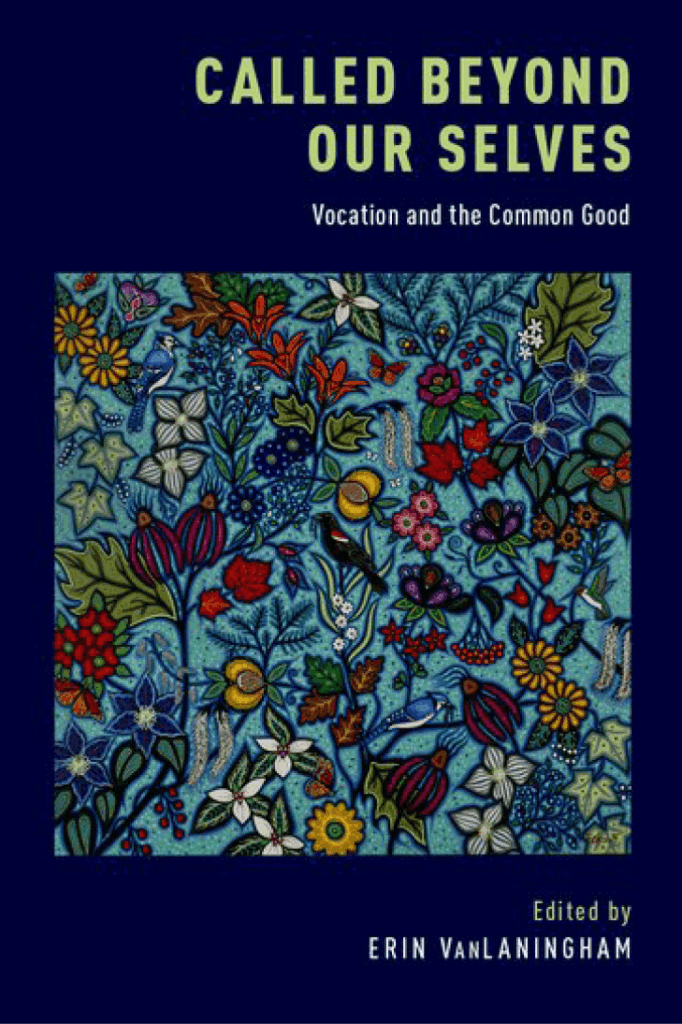
Called Beyond Our Selves: Vocation and the Common Good
edited by Erin VanLaningham (Oxford, 2024)
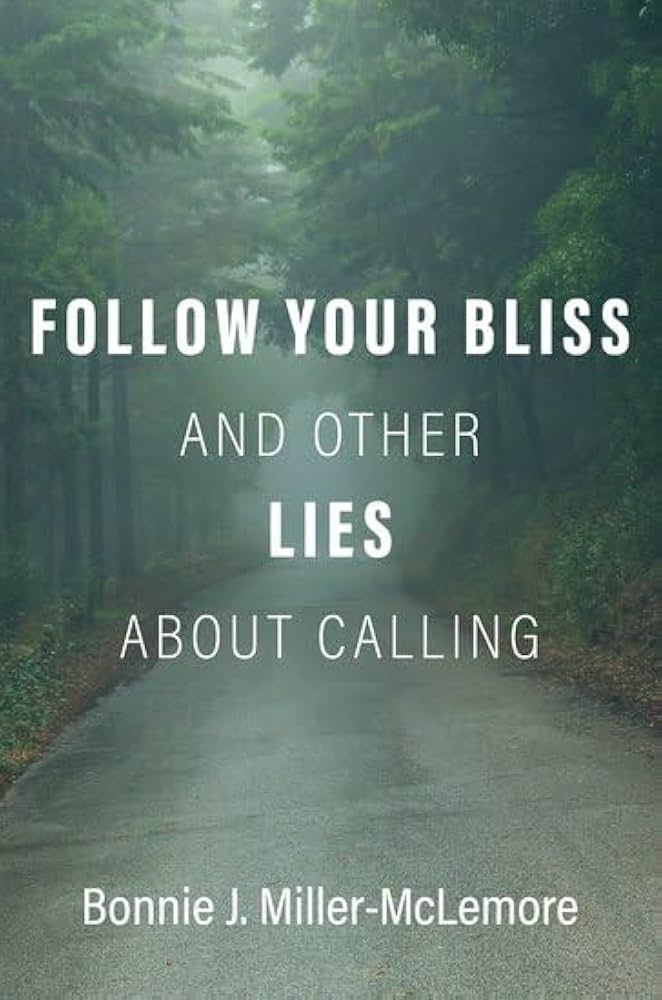
Follow Your Bliss and Other Lies About Calling by Bonnie Miller-McLemore (Oxford University Press, 2024)
Living Vocationally: The Journey of a Called Life
by Paul J. Wadell and Charles R. Pinches (Wipf & Stock, Cascade Books, 2021)
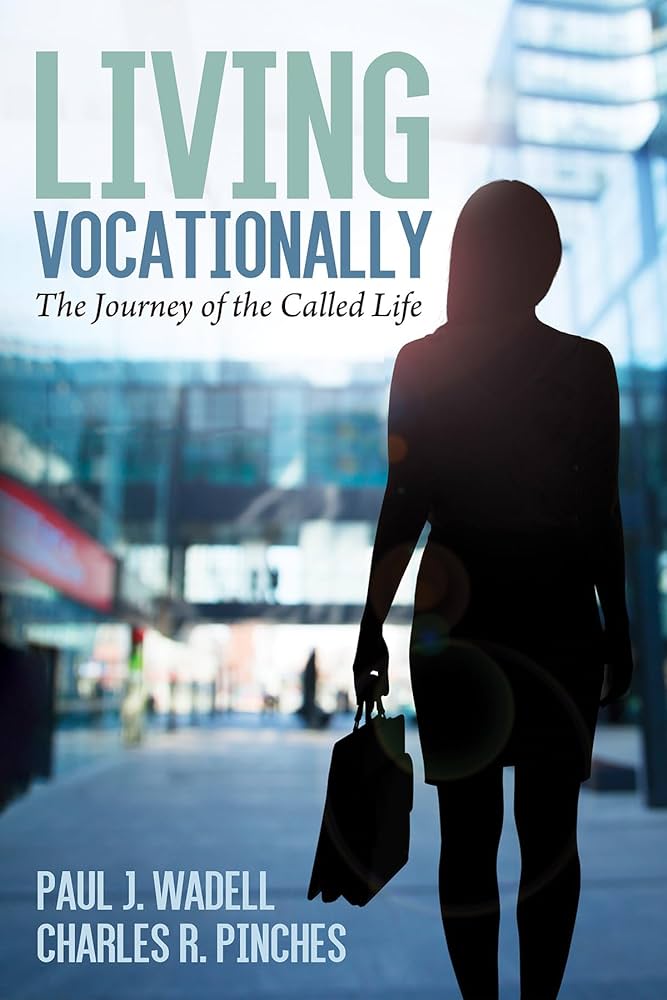
Living Vocationally explores the challenge and the joy of the called life. The first part of the book considers the benefits of living vocationally, biblical traditions of call, and subsequent Christian understandings. The second part of the book examines why vocation pertains not only to careers but touches every dimension of our lives and encompasses our full journey through life. Because every person’s life includes many callings, some very difficult, the final part of the book considers the virtues we need to live the called life well. The book is a good introduction to vocation for institutions that are trying to develop a shared vocabulary and understanding of the concept. It works well for conversations for faculty and staff across campus.
Supporting Resources and Readings

Review of Living Vocationally: The Journey of the Called Life
by Krista Hughes

The Journey of the Called Life
with Paul Wadell and Charlie Pinches
While we live in a moralizing time, we have a limited vocabulary for describing issues of morality and character with any degree of nuance. The authors turn to the language of the virtues in order to capture the subtleties of the moral life and to help equip us for whatever life may send our way.

The NetVUE Big Read: A Conversation with the Authors of Living Vocationally
with Paul Wadell and Charlie Pinches
The session addresses a range of topics: vocation as a life-long journey, mentoring and friendship, the virtues and contemporary life, and social justice and community. It also explores how Living Vocationally might be used with undergraduates in the classroom and in co-curricular programs.

Attention, Please: Attentiveness and Vocation
by Scott Mattingly
This post explores how attention enables individuals to engage meaningfully with both internal reflection and external realities. The author encourages educators to cultivate attentiveness in themselves and their students as an important pedagogical practice.
The Journey of the Called Life
by Hannah Schell
This post introduces Living Vocationally: The Journey of the Called Life by Charles Pinches and Paul Wadell. Drawing on theological and philosophical sources, the book emphasizes attentiveness, humility, justice, and hope as essential virtues for vocational discernment.
First Year, First Virtue: Attentiveness, Technology, and First Year Writing
by Jason Stevens
This post explores how first-year writing courses can serve as a critical space for cultivating attentiveness. Drawing on Living Vocationally, the author frames attentiveness as both a pedagogical goal and a spiritual discipline.
Mentoring for Vocation: A Form of Friendship
by Younus Mirza
The Purpose Gap: Empowering Communities of Color to Find Meaning and Thrive
by Patrick B. Reyes (Westminster/John Knox, 2021)
The Purpose Gap seeks to reframe the narrative on vocation, meaning, and purpose that has been designed primarily for white, middle-class, and professional individuals. Reyes identifies how this narrative contributes to creating a gap where marginalized people cannot reach the opportunities they need to fulfill their purpose. The book challenges readers to consider how we need to rethink the conditions that have been designed to keep people from fulfilling their purpose and callings to close the purpose gap. This is a good book for institutions that have developed a foundational understanding of vocation and are ready to consider how to ensure that the vocational programming they offer is for and accessible to all students.
Supporting Resources and Readings
Review of The Purpose Gap: Empowering Communities of Color to Find Meaning
by Esteban E. Loustaunau
Stars and Constellations
with Patrick Reyes
In this episode, Reyes speaks with urgency about the need to lean into the diversity of colleges and universities so that we might be most effective in addressing “the purpose gap” that exists for many students of color. Inviting new metaphors, Patrick suggests that we see our work in vocational exploration in terms of a constellation, operating collaboratively to move entire communities forward.
The Purpose Gap: Empowering Communities of Color to Find Meaning and Thrive
with Patrick Reyes
This conversation with Patrick Reyes explores how the book might be used within a course or a co-curricular program.
Charting Vocation and Belonging in Racial America
by Willie James Jennings
This plenary address was part of the NetVUE 2021 UnConference.
The Problem with Colorblind Mentoring
by Hannah Schell
This post critiques the practice of “colorblind” mentoring in higher education, arguing that ignoring race and systemic inequities undermines trust and effectiveness in faculty-student relationships, particularly for students of color. Meaningful mentorship must acknowledge the lived experiences and community cultural wealth that students bring with them.
Hope Through Connection IV: Scholarly Conversation and the Real Work of Building a Meaningful Life
by Deirdre Egan-Ryan
This post explores how integrating vocational reflection into a gateway English course deepens students’ engagement with literary studies and fosters a sense of purpose through scholarly dialogue. By pairing literary analysis with texts on vocation and justice, students are invited to consider how literature can illuminate personal and communal callings.
Counter Storytelling in The Purpose Gap
by Hannah Schell
This post explores how Patrick Reyes’ The Purpose Gap employs counter-storytelling to challenge dominant vocational narratives and affirm the lived experiences of marginalized communities. Reyes’ narrative strategy not only disrupts deficit-based assumptions in educational discourse but also invites educators to reimagine vocation as an inclusive framework for student formation.
Called Beyond Our Selves: Vocation and the Common Good
edited by Erin VanLaningham (Oxford, 2024)
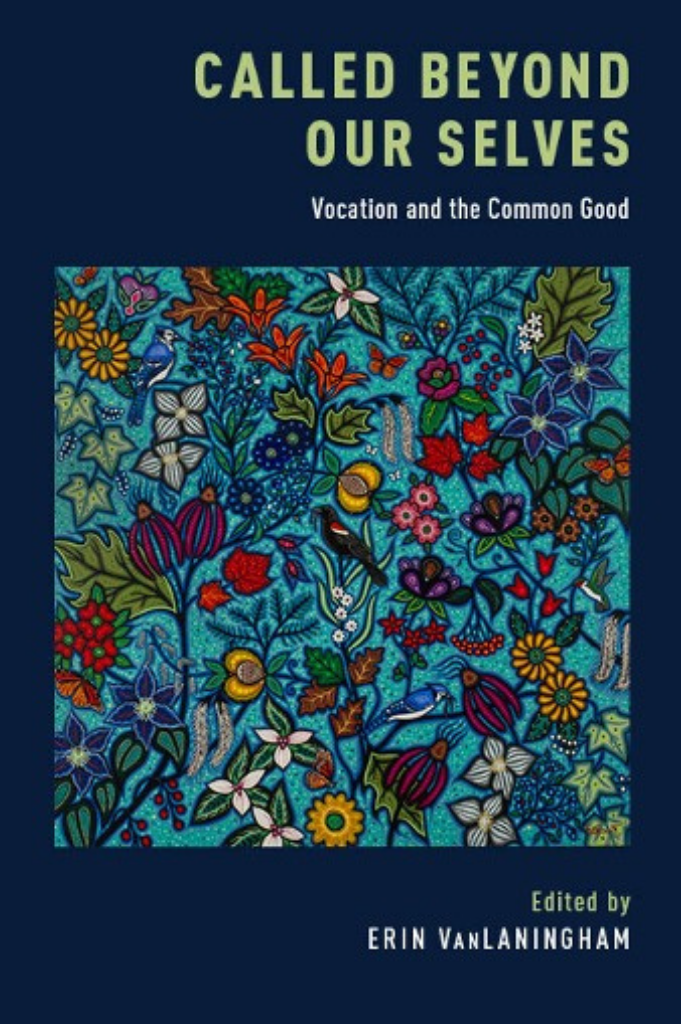
Called Beyond Our Selves: Vocation and the Common Good was developed through the NetVUE Scholarly Resources Project. This volume emphasizes the interconnectedness of individual life and communal life, suggesting that—in this meeting place between self and others—we are called beyond our selves. The contributors propose that when people prioritize the well-being of all, their notions of success and purpose are elevated. This shift challenges our typical approaches to vocation, as well as our thinking about what is common and what is good. The volume highlights the importance of justice, compassion, dialogue, and action in responses to the traumas of personal, historical, and communal life. Throughout, the authors offer pedagogies, models, and practices that will help those of us who work in higher education to orient vocation toward the well-being of the community.
Supporting Resources and Readings
The Vocation of Citizenship for the Common Good
with Michelle Hayford, Christine Jeske, and Meghan Slining
This webinar focused on how the vocation of citizenship encourages individuals to engage actively in their communities, prioritize the well-being of the collective, and help to shape a more inclusive and sustainable future. The discussion explored how advocacy for justice, moving beyond markets and meritocracy, and caring for public health relate to the calling of citizenship for the common good.
The Uncommon Good
by Geoffrey Bateman
In this conversation, Geoffrey explore strategies for mentoring queer students and discuss how to build inclusive practices in vocation work, both in classrooms and across campus. By taking action in local environments, listening for shifts in professional pathways, and honoring all facets of identity, educators can help individuals and communities to flourish. As part of the practice of vocational exploration, “walking the talk” by connecting to community groups and organizations can build resilience and foster relationships with those on the margins, supporting the well-being of all.
Robert Pampel and Common Good Places
by Geoffrey Bateman
This post features an interview with Robert Pampel, whose essay in Called Beyond Ourselves: Vocation and the Common Good argues that college campuses can serve as “common good places”—intentional environments that foster student discernment and communal flourishing. Pampel reflects on how the physical and intellectual design of campus life can support vocational exploration, especially when rooted in justice, connection, and purpose.
Self-compassion and the Vocational Journey
by Samantha Brown
This post explores the intersection of self-compassion and vocational discernment, drawing on psychological research and classroom practice to argue that self-compassion is essential for sustaining meaningful, purpose-driven lives. By integrating self-compassion into pedagogy, educators can help students build resilience, reduce burnout, and engage more authentically with their vocational journeys.
Follow Your Bliss and Other Lies About Calling
by Bonnie Miller-McLemore (Oxford, 2024)
Follow Your Bliss and Other Lies about Calling challenges the popularized notion of “following your bliss” and reminds readers that callings can often be conflicting, postponed, or blocked by circumstances beyond our control. Drawing on personal experience and theological insight, Miller-McLemore invites readers to create space for the challenging, unexpected, and difficult aspects of calling. Even as readers realize the myriad ways that they may be called in ways that they had not planned, they may still find ways to consider them worthy of pursuit. The book is likely to foster conversations about the complexities of calling that may include loss, regret, failure, impediments, frustration, overload, conflict, and challenges. These conversations invite participants to consider all aspects of their lives and experience as they explore their understanding of what it means to live vocationally. The book can be used for a wide range of conversations, from nuancing an understanding or definition of vocation, to an opportunity to explore participants own vocations, to discussions about mentoring and teaching students for vocational exploration.
Supporting Resources and Readings
Exploring Our Callings to Higher Education
with Bonnie Miller-McLemore
In this webinar, we heard from Bonnie J. Miller-McLemore as she reflected on her book Follow Your Bliss and Other Lies About Calling. During the webinar, she explored major themes from her book and how they can help us understand and contextualize the challenges that come with a calling to work in higher education.
The Big Read: Exploring Diverse Perspectives & Vocational Reflection
with Tara Brooke Watkin, C. Douglas Johnson, and Esteban Loustaunau
During this webinar, participants had the opportunity to hear how some of our NetVUE colleagues arrived at and navigate their callings to higher education. Presenters drew on language and themes from Miller-McLemore’s recent book, Follow Your Bliss and Other Lies About Calling as they shared their stories.
The Double Edge of Calling
with Bonnie Miller-McLemore
In this conversation, Miller-McLemore explores the ways our callings can be fractured or blocked, relinquished or conflicted, missed or unexpected. By grounding calling in the realities of everyday life, she reminds us of the importance of being kind to ourselves and practicing forgiveness for self and others. As we realize the myriad ways our callings may be difficult, we continue to find that they are worthy of pursuit and consideration.
Callings We Don’t Choose
with Deanna Thompson
How does experience with trauma inform, and transform, our vocations? Thompson explores how suffering shapes us and how our vocational frameworks might integrate sadness. Throughout this conversation, Thompson expands our views of the world—via digital platforms, interfaith friendships, and the communal experience of sadness alongside joy. Thompson poignantly captures what it means to be called to “this” rather than “that,” and how to accept the callings we didn’t expect or choose.
“Voxistential” Crises and Grappling with the Dark Side of Vocation
by Jason Mahn
Mahn proposes the term voxistential to reconnect the concepts of vocation and existentialism, emphasizing the need for deeper, more honest reflection on purpose and calling—especially when things are uncertain or difficult.
Imagining Sisyphus Happy?
by Jason Mahn
In this blog post, Mahn reflects on the emotional toll and burnout experienced in education, especially when ideals of work clash with realities such as apathy and systemic injustices. The post suggests that naming one’s despair and imagining hope can offer a form of quiet resistance and renewed purpose.
Navigating Vocations with a Chronic Illness
by Deanna Thompson
Living with chronic illness can profoundly disrupt one’s vocational path and sense of identity. In her post, Thompson emphasizes the importance of acknowledging the grief of relinquished callings while also embracing new narrative threads that offer meaning and purpose.
Contact Information
Questions about the NetVUE Big Read may be directed to Rachael Baker, NetVUE associate director, at rbaker@cic.edu or (616) 632-1060.
To report a technical problem with the website, or to offer suggestions for navigation and content issues, please contact Madeline Smanik, NetVUE communications specialist, at msmanik@cic.edu.